Dementia
This is Dementia
Remaining connected is essential for coping in terms of being a caregiver for someone with dementia.
When Stephanie’s mother was diagnosed with dementia following a stroke, everything changed. In this episode, Dr. Diane McIntosh explores the realities of dementia caregiving through Stephanie’s powerful story, from managing impossible schedules to making heartbreaking decisions about care facilities.
Whether you’re caring for someone with dementia, supporting a caregiver, or preparing for what may lie ahead, this episode offers compassionate guidance and hope.
Plus expert insights from psychologist Dr. Randy Mackoff on effective treatment approaches.
Thinking of suicide or worried about someone you know? Call or text 9-8-8, toll-free, anytime, for support.
PODCAST GUEST
Dr. Randy Mackoff, PhD
Registered psychologist
Dr. Randy Mackoff is a registered psychologist in British Columbia. He has a private clinical practice where he provides psychological treatment for a wide range of issues, including but not limited to depression, anxiety, PTSD, coping with psychosis, and marital therapy. He is a retired Professor in the Criminology Department at Douglas College and a past Chairperson of the Criminology Department. He is a Clinical Associate in the Clinical Psychology Department at Simon Fraser University, providing clinical supervision to graduate students. He currently consults with law enforcement agencies in Crisis Negotiations, Undercover Operations, Witness Protection, Psychological Support for witnesses, Source Suitability, Major Crimes, Recruiting, and Human Resources. He is a designated Vancouver Police Department Psychologist and represents them at the Major Cities Chiefs Association Psychology meetings. He is the Co-Chair of the Psychology Committee for the Canadian Association of Chiefs of Police (CACP).
More About Dementia
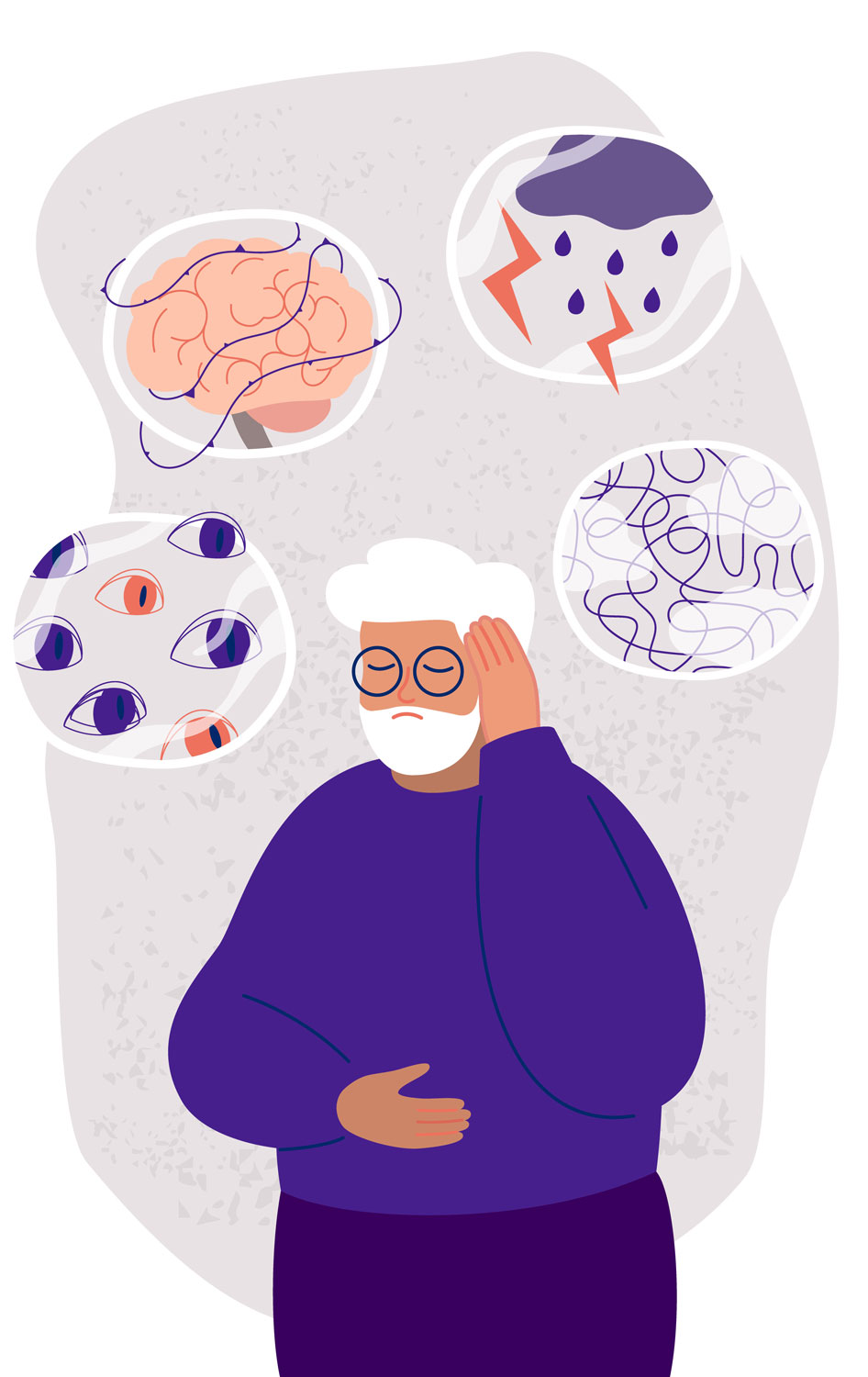
Dementia isn’t one single disease, it’s an umbrella term used to describe a group of brain disorders that affect thinking, memory, judgment, communication, and even physical coordination. Most people first notice memory concerns, but dementia affects so much more than recall. It impacts planning, problem-solving, decision-making, language, mood and behaviour. Over time, these changes disrupt day-to-day life and independence.
While memory loss is the symptom most people associate with dementia, the condition affects many areas of daily life.
Symptoms may include:
- Memory loss, especially short-term memory
- Difficulty with understanding, judgement, and decision-making
- Trouble with planning, organization, or completing familiar tasks
- Changes in speech or difficulty understanding language
- Shifts in mood, personality, or emotional expression
- Confusion about time, place, or familiar people
- Challenges coping with daily living; managing bills, groceries, cooking
- Social withdrawal or trouble navigating social interactions
- Issues with physical coordination
Dementia is a diagnosis of exclusion. Before confirming it, clinicians rule out look-alike physical and psychiatric disorders, such as thyroid problems, other brain disorders, medication side effects, substance abuse or depression. A careful medication review is essential.
Managing treatable symptoms
While we cannot yet stop dementia’s progression, many behavioural and psychiatric symptoms can be treated, including:
- Depression
- Anxiety
- Agitation
- Sleep problems
- Psychosis
Supporting Caregivers of People with Dementia
Caring for someone with dementia is emotionally and physically exhausting – the rates of caregiver burnout are sky-high. Support for caregivers is essential, not only for their own well-being but it also to ensure the person with dementia receives compassionate, sustainable care.
Creating a safe space for emotions
At times, caregivers may feel love, frustration, anger, and grief – sometimes all at once. Talking to professionals or peer support groups can help process these feelings and understand them for what they are – perhaps a form of anticipatory grief or even a reflection of exhaustion or frustration.
Prioritizing self-care
Caregivers may feel obligated to be available 24/7, risking exhaustion, stress, strained relationships, and ultimately, burnout. Taking regular breaks, maintaining social connections, and seeking support prevents burnout and helps sustain energy and patience, enabling them to provide better care.
Support
Support may take many forms- friends, family, a support group or healthcare professional. One incredible support service is the Alzheimer’s Society, which offers free confidential information and support for anyone affected by dementia, whether personally or professionally, to get the support they need, when it’s needed.
Managing stress and emotional burden
Chronic stress can lead to anxiety, depression, or burnout. It’s important for caregivers to give themselves permission to take care of themselves as a means of protecting their ability to care for others. Seeking help and support through counseling, peer support, or other means is a sign of strength, not weakness.
- Alzheimer Society of Canada
- Alzheimer Society of Canada – Support for caregivers
- Government of Canada
- Alzheimer’s Association
- Canadian Institute for Health Information
- Hope for Dementia
- The Center for Addiction and Mental Health
- The Center for Addiction and Mental Health – Dementia in older adults
- Canadian Mental Health Association
Episode Highlights

0:15
Finding resilience: Stephanie reflects on how she navigated the emotional challenges of her mother’s gradual cognitive decline.

6:47
The value of caregiving: Dr. Diane McIntosh and Stephanie discuss the immense difference caregivers make, even when it can sometimes feel like it’s not enough.

10:35
Supporting the supporters: Psychologist Dr. Randy Mackoff explains the importance of creating safe, non-judgmental spaces for caregivers to process grief, frustration, and conflicting emotions.

21:41
Treatment and support strategies: Dr. Diane McIntosh covers approaches to managing dementia-related symptoms, including reviewing medical conditions and medications, treating comorbidities like depression or anxiety, using appropriate therapies and medications, and accessing peer and professional support for caregivers.
Key quotes from the episode
“The province covered a few basics.. maybe three hours of people a day. There are another 21 hours and I can’t be there. And it was heartbreaking because you can never quite make it work.”
6:02
“So you’re trying to do all of this with, I’ll be frank, for myself, increasing feelings of resentment and exhaustion.” 7:54
“When we neglect ourselves, we’re unable to basically deal with the troubling and distressing emotions that we experience. And then all of a sudden we’re actually not even being helpful to the person we’re trying to give care to because our tolerance is low, our annoyance is high . . . remaining connected is essential for coping in terms of being a caregiver for someone with dementia.” 13:30
“You’re not gonna be perfect, but you’re showing up and that’s huge. And you know, your parent would probably be the first one to say Well done, I raised you right. You’ve got this.” 28:30
Related Posts on Dementia


More Than a Little Lonely: The Serious Health Impacts of Loneliness

Good Gut = Healthier Brain + Happier Life
Feedback on the Podcast?
Psychiatric Guidance for Optimal Patient Care
Founded by Dr. Diane McIntosh, RAPIDS Health provides timely, effective clinical decision support for mental health diagnosis and treatment. Whether you’re a clinician or someone seeking help, we offer evidence-based, personalized treatment guidance tailored to each individual’s needs.