An insomnia diagnosis requires more than the occasional restless night. It’s a common sleep disorder that makes it difficult to fall asleep, stay asleep, or return to sleep after awakening too early.
While short-term sleep difficulties are common and usually resolve on their own, chronic insomnia is different. It persists for at least three nights per week for three months or more and interferes with how you feel and function during the day.
Chronic insomnia can affect your mood, energy, concentration, relationships, physical health, and overall quality of life. For some, it becomes a cycle of exhaustion, frustration and worry that makes restful sleep feel out of reach.
Download PDF on Insomnia>>
People with insomnia often experience a combination of nighttime and daytime symptoms.
These may include:
Nighttime symptoms:
- Trouble falling asleep
- Waking during the night and struggling to get back to sleep
- Waking earlier than intended
- Feeling “wired” or alert as soon as you get into bed
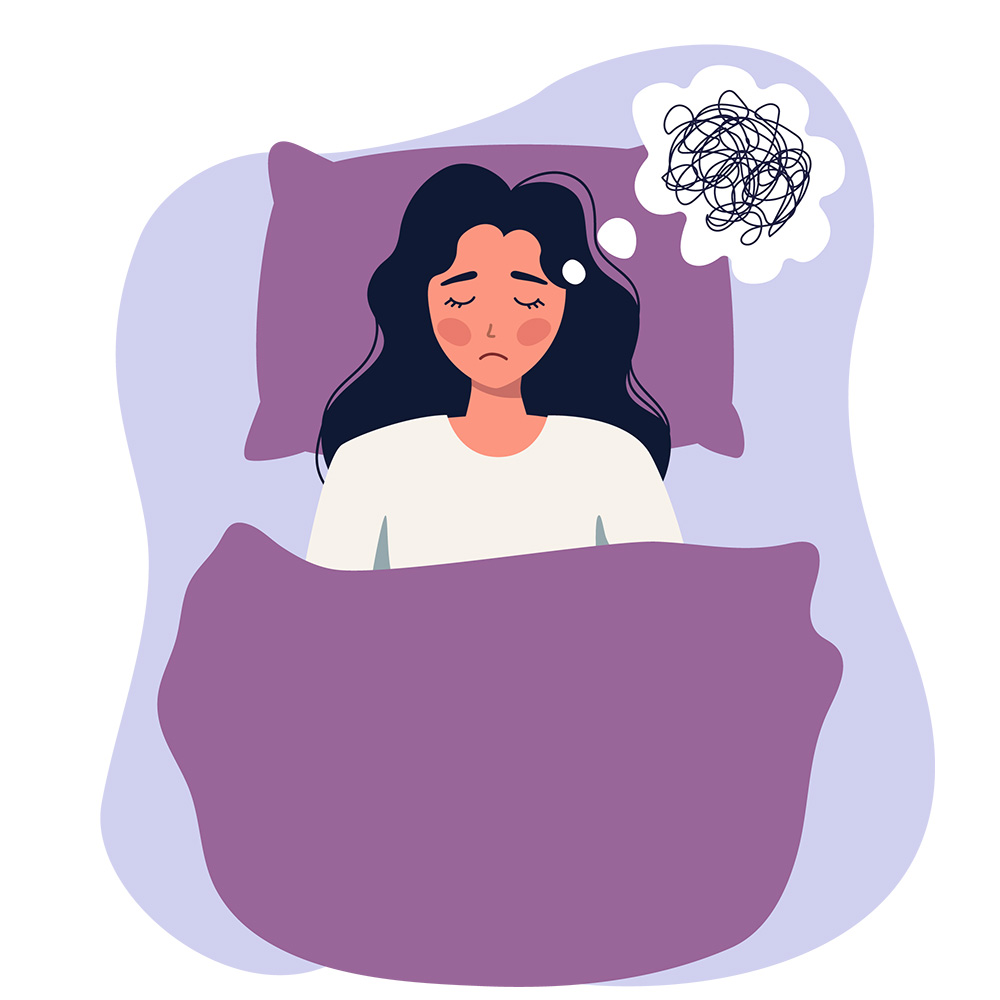
- Racing thoughts or worry cycles at night
Daytime symptoms:
- Fatigue or low energy
- Difficulty focusing, impaired memory, or “brain fog”
- Irritability, frustration, or low mood
- Feeling unrefreshed despite time in bed
- Reduced work or school performance
- Avoiding social plans due to exhaustion
- Chronic insomnia is also linked to higher rates of anxiety and depression, and it can worsen existing mental or physical health conditions.
Get checked out by your healthcare provider (HCP) if you’re experiencing chronic insomnia and any of the following:
- Loud, consistent snoring or if you’re awakening through the night gasping for breath. If you sleep alone, so you don’t have someone to complain about your snoring, see your HCP if you’re awakening consistently with a headache or sore throat, and you’re completely exhausted, day and night, despite getting lots of sleep.
- Extremely restless legs (you feel like you must move them) that are preventing you from getting to sleep.
- Persistent symptoms of any mental illness, such as depression or anxiety, that, if treated, could improve the amount and quality of your sleep.
Effective treatment begins with understanding the factors that contribute to poor sleep, such as lifestyle choices, stress, all mental illnesses (especially when anxiety and depression are prominent), pain or chronic medical illness.
Cognitive Behavioural Therapy for Insomnia (CBT-I)
CBT-I is an evidence-based, structured therapy that helps you change the thoughts and habits that keep insomnia going. It focuses on:
- Understanding how sleep works
- Reducing anxiety around sleep
- Restructuring unhelpful thoughts (“I must sleep right now!”)
- Resetting sleep schedules and behaviours
- Breaking the association between the bed and wakefulness.
CBT-I takes commitment, but research consistently shows it can meaningfully improve sleep for many people.
Medication
Medication can play an important role in treating insomnia, particularly when symptoms are severe or linked to another condition, such as depression or PTSD.
- Over-the-counter sleep aids: These are commonly used but often don’t support restorative sleep and can lead to next-day grogginess or other health risks.
- Older prescription options: Benzodiazepines and “Z-drugs” may help, but they carry risks including impairing daytime function, memory problems, falls, and potential dependence, especially if an underlying mental health condition isn’t properly addressed.
- Antidepressants: Some are commonly used to treat insomnia, like trazodone or mirtazapine. While they don’t have the dependence issues listed above, they can cause all of the other side effects associated with benzodiazepines and Z-drugs. Research data does not support their use in chronic insomnia.
- Antipsychotics: These drugs, particularly quetiapine (Seroquel), are commonly prescribed for insomnia. However, they are associated with significant risks, such as a chronic movement disorder called tardive dyskinesia, as well as weight gain and metabolic syndrome. Antipsychotics should NOT be prescribed as a primary insomnia treatment.
Newer, safer options: Dual Orexin Receptor Antagonists (DORAs) are a newer class of medications that are generally very well tolerated and don’t have the same hangover, risk of falls, cognitive issues or dependence risks.
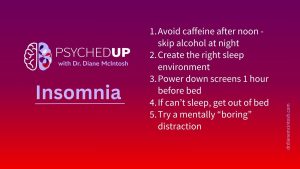
Sleep Optimization Tips From Dr. Diane McIntosh
(AKA Sleep Hygiene) These simple strategies won’t cure chronic insomnia on their own, but they create a healthier foundation for sleep:
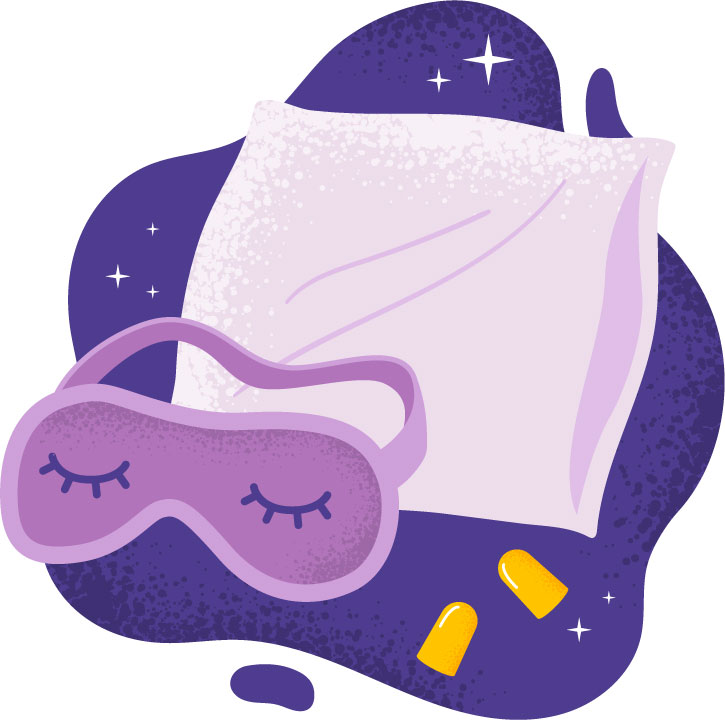
- Create a calm sleep environment. A cool, dark, quiet room is ideal. Pets are adorable, but they’re not great bed partners.
Use your bed for sleep or sex only. It shouldn’t be a dinner table, theatre or work station.
Limit caffeine after noon and avoid alcohol at night. Both disrupt restful sleep more than many people realize.
Turn off screens an hour before bed. Phones, laptops, and TVs stimulate the brain and delay sleepiness.
- If you can’t sleep, get out of bed. Lying awake teaches your brain that the bed is a place to stay alert. Get up briefly, keep lights low, and return once you feel sleepy again. Don’t eat or use your phone!
- Try a simple mental distraction. Choose something quiet and boring, like alphabetizing U.S. states in your head. These gentle tasks interrupt worry cycles and help the brain drift toward sleep.