
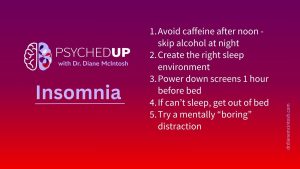
Struggling With Sleep? Here Are My Top Five Tips for Better Rest
I want to share my top five “sleep hygiene” habits that can support healthier sleep. They won’t solve chronic insomnia on their own, but they are essential ingredients for better rest.

Shifting Gears and Years: Tips for Healthy New Year’s Resolutions
There’s something about flipping the page on the calendar from December to January. For many of us, the beginning of a new year represents a clean slate. So, if you find yourself in the mood to take that time to pause and reflect after the holidays, here are a few tips on making smart New Year’s resolutions.

Coping with Stress During the Holidays
The holidays can be stressful. Here are a few thoughts on how to make the most of what can be a most wonderful time of the year.
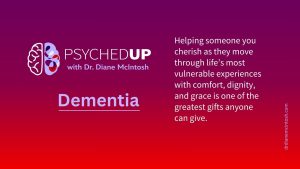
The Gift Inside the Hardest Moments: A Reflection for Dementia Caregivers
Caring for a loved one with dementia is one of the most demanding and meaningful roles a person can take on.
It’s exhausting. And it is an extraordinary act of love.
As science moves closer to true disease-modifying treatments, it’s important to acknowledge the reality of today: millions of family caregivers remain the backbone of dementia care. How to support dementia caregivers:
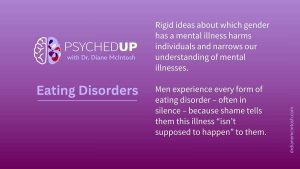
Eating Disorders Affect All Genders – Avoiding Mental Illness Stereotypes Across Genders
While it’s true that some psychiatric disorders occur more commonly in one sex or the other, every mental illness can affect either sex. Sex-based stereotypes can keep people from seeking help, because they add to the shame that is already so deeply tied to mental illness. Learn more.
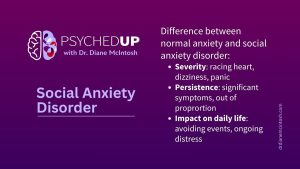
When Does Anxiety Become a Disorder?
We all feel anxious sometimes, before a big presentation, walking into a room of strangers. But when does ordinary anxiety cross the line into something more serious, like social anxiety disorder? Learn more.