Coping with Stress During the Holidays
The holidays can be stressful. Here are a few thoughts on how to make the most of what can be a most wonderful time of the year.
We all feel anxious sometimes, before a big presentation, walking into a room full of strangers, or hitting “send” on an important email. That kind of anxiety, while uncomfortable, is a normal, and arguably, a healthy part of life.
But when does ordinary anxiety cross the line into something more serious, like social anxiety disorder?
On my podcast, PSYCHEDUP, I dedicate a segment of each episode to cutting through common misconceptions about mental illness. I call it my Shrink Wrap.
When it comes to social anxiety, the biggest myth is that it’s “just normal shyness.” The truth is far more complex.
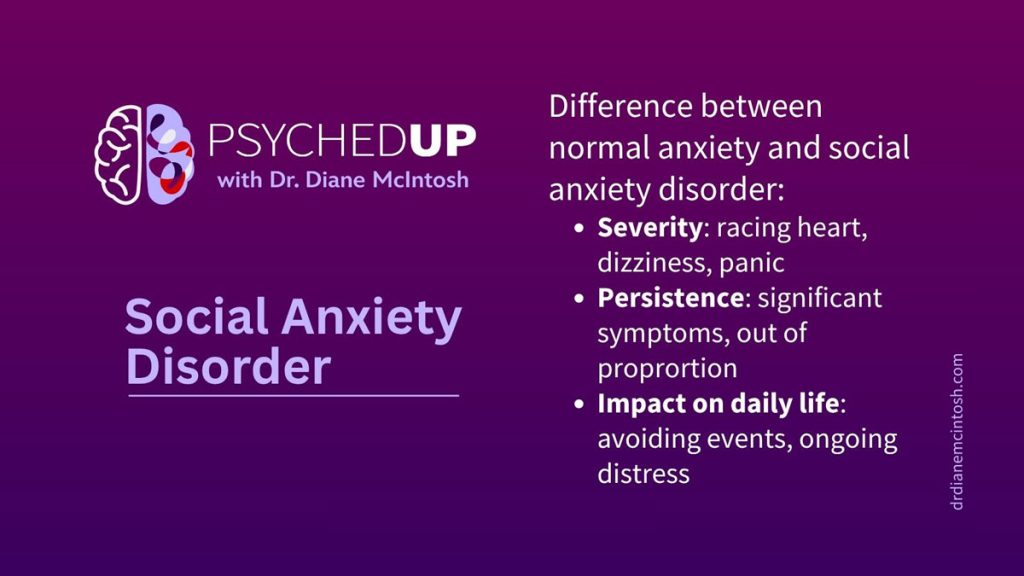
The difference between normal anxiety and social anxiety disorder comes down to three things:
Severity: Feeling worry or nervous occasionally is normal, but when exposure to social situations is associated with overwhelming emotional distress and intense physical symptoms, like a racing heart, dizziness, panic, that points to something more serious.
Persistence: Normal anxiety should occur only occasionally, in the appropriate context (E.g. an important job interview), and should fade quickly, once the stressful event passes. For most anxiety disorders, the symptoms stick around and must be present for months before a diagnosis can even be considered. If the significant emotional and physical symptoms are present for all or nearly all social situations, and are out of proportion to the stress the situation should provoke, that points to a social anxiety disorder.
Impact on daily life: Symptoms of social anxiety disorder interfere with everyday life, affecting work, home, and social interactions. Avoiding important events, missing opportunities or experiencing ongoing distress are all warning signs.
Before diagnosing any anxiety disorder, a healthcare provider must determine whether there’s some other explanation for the symptoms. Some medical disorders, medication side effects or recreational substance use can provoke symptoms of anxiety or depression. Only after ruling out other causes can a confident diagnosis be made.
When we dismiss social anxiety disorder as “just shyness”, we minimize the very real suffering it causes. Stigma can also prevent someone who is suffering from asking for help. People with social anxiety aren’t simply introverted or reserved – they’re living with a disorder that can derail their career, undermine relationships and crush self-esteem. Recognizing the difference is the first step toward compassion, treatment, and recovery.
If you want to learn more about social anxiety disorder, listen to our episode on it on PSYCHEDUP, where Hannah shares her personal experience and psychologist, Dr. Randy Mackoff, and I explore treatment options.
If you find the episode helpful, consider sharing it with someone who might benefit from hearing it too. Leaving a rating or review can also help more people discover the podcast and remind them that they’re not alone.
With gratitude,
Diane
Diane McIntosh, MD, FRCPC
Psychiatrist, Founder and CEO RAPIDS Health, Host PSYCHEDUP

The holidays can be stressful. Here are a few thoughts on how to make the most of what can be a most wonderful time of the year.

Caring for a loved one with dementia is one of the most demanding and meaningful roles a person can take on.
It’s exhausting. And it is an extraordinary act of love.
As science moves closer to true disease-modifying treatments, it’s important to acknowledge the reality of today: millions of family caregivers remain the backbone of dementia care. How to support dementia caregivers:

While it’s true that some psychiatric disorders occur more commonly in one sex or the other, every mental illness can affect either sex. Sex-based stereotypes can keep people from seeking help, because they add to the shame that is already so deeply tied to mental illness. Learn more.
Please provide your contact information in the form below. It helps if you provide enough detail in your message so we can help. We look forward to hearing from you!
Thank you for your message. We will respond to your email promptly.