
The Gift Inside the Hardest Moments: A Reflection for Dementia Caregivers
Caring for a loved one with dementia is one of the most demanding and meaningful roles a person can take on.
It’s exhausting. And it is an extraordinary act of love.
As science moves closer to true disease-modifying treatments, it’s important to acknowledge the reality of today: millions of family caregivers remain the backbone of dementia care. How to support dementia caregivers:
Eating Disorders Affect All Genders – Avoiding Mental Illness Stereotypes Across Genders
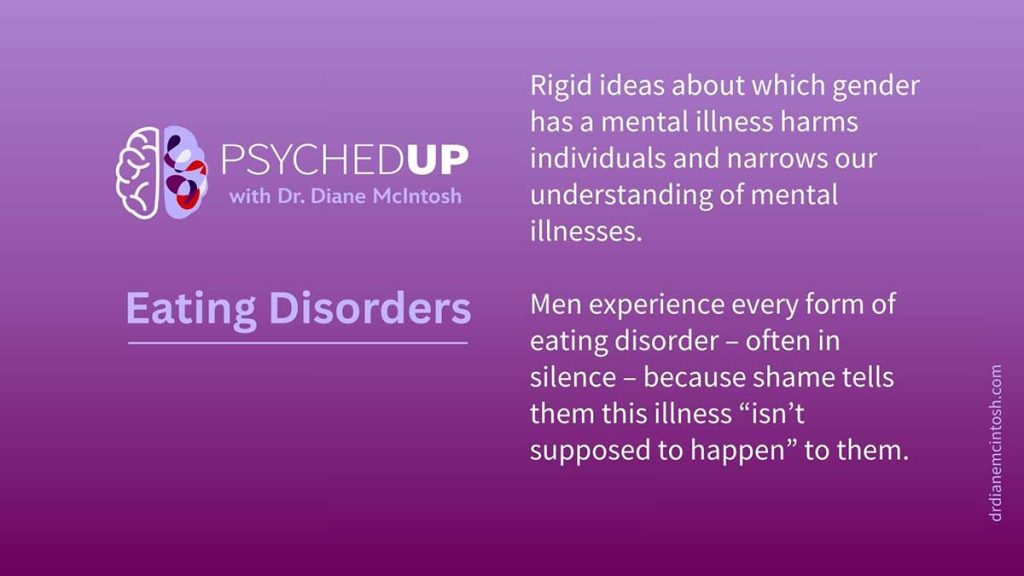
While it’s true that some psychiatric disorders occur more commonly in one sex or the other, every mental illness can affect either sex. Sex-based stereotypes can keep people from seeking help, because they add to the shame that is already so deeply tied to mental illness. Learn more.
Announcing PSYCHEDUP Season 2: Navigating Mental Illness, One Episode at a Time
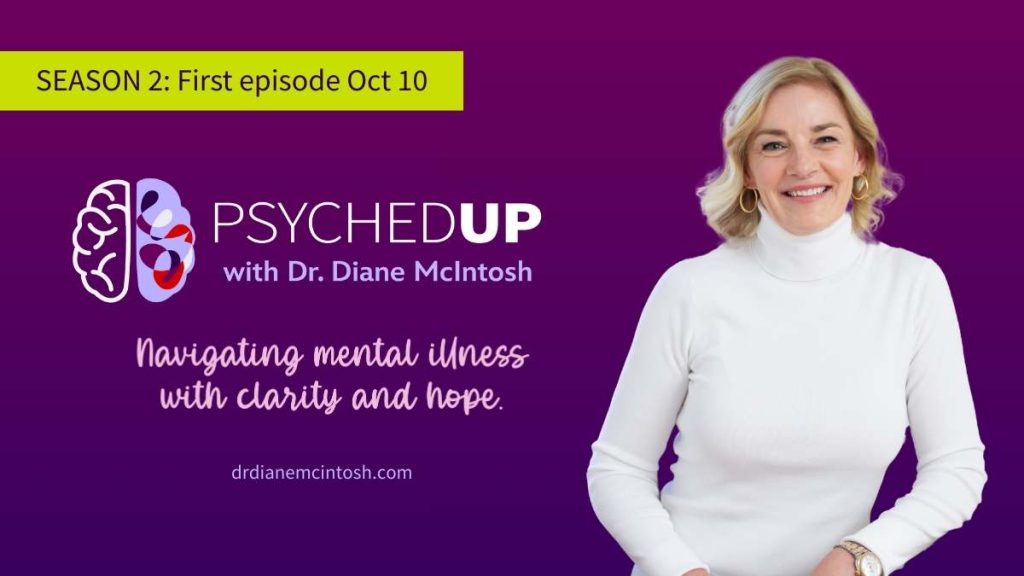
Season 2 PSYCHEDUP launches Oct 10. We continue conversations about mental illness, confronting myths, reducing stigma, inspiring hope. Topics include resilience, supporting someone with mental illness, psychosis +3 more.
Understanding Panic Disorder: Symptoms, Treatment, Bravery in Asking for Help
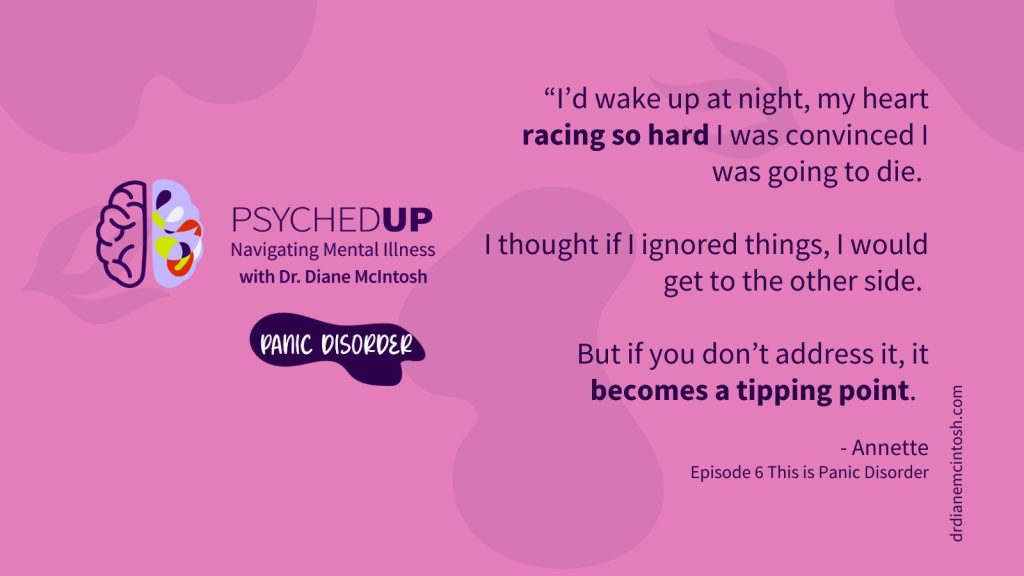
Panic disorder, which affects 3.7% Canadians, is “fear gone wrong.” With appropriate therapy and medication, people with panic disorder can keep symptoms in check. Summary of “This is Panic Disorder”, Episode 6 of PSYCHEDUP Podcast.
Living with PTSD: A journey from trauma to healing
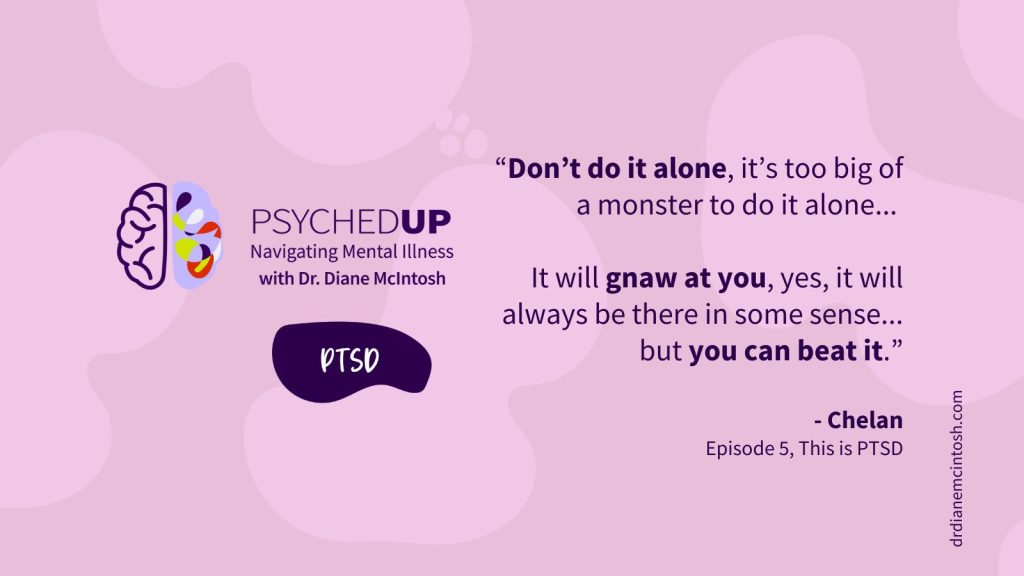
Post-traumatic stress disorder doesn’t just affect soldiers; it can affect anyone who has experienced trauma. But treatment can help. Chelan shares her story. Summary of “This is PTSD”, Episode 5 of the PSYCHEDUP Podcast.
PSYCHEDUP PODCAST: Understanding and acting on mental illness
Dr. McIntosh has a new podcast, PSYCHEDUP, focused on boosting awareness of mental illnesses, including why they occur, who is at greater risk, the power of shared decision-making, and the critical importance of diagnostic accuracy and personalized treatment.
Having more than one psychiatric diagnosis is more common than you think. This is why it matters.

Having two or more psychiatric diagnoses at the same time occurs for at least half of those diagnosed with a mental illness. As with other illnesses, it’s important to understand the full picture in order to find the best treatment.